Project Objectives
To work in 10 villages of Kaij Taluka, Beed District, the following objectives were defined:
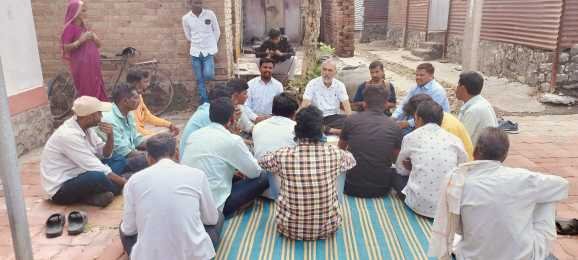
1. To organize rural youth and provide them with training to improve water management practices and strengthen engagement with government systems.
2. To enhance the effectiveness of Village Water Supply & Sanitation Committees and Watershed Committees, and to create sustainable and safe water systems for drinking and irrigation.
3. To mobilize resources by strengthening coordination between village water committees and government departments, ensuring long-term water security for villages.
4. To ensure active participation of young women in all decision-making processes.
5. To create awareness among diverse stakeholders—school and college students, media professionals, social clubs, NGOs, and environmental experts—about the need for water security and environmentally sustainable solutions.
Project Activities (2024–25)
To achieve the above objectives, Yuva Gram Vikas Mandal implemented the following key activities:
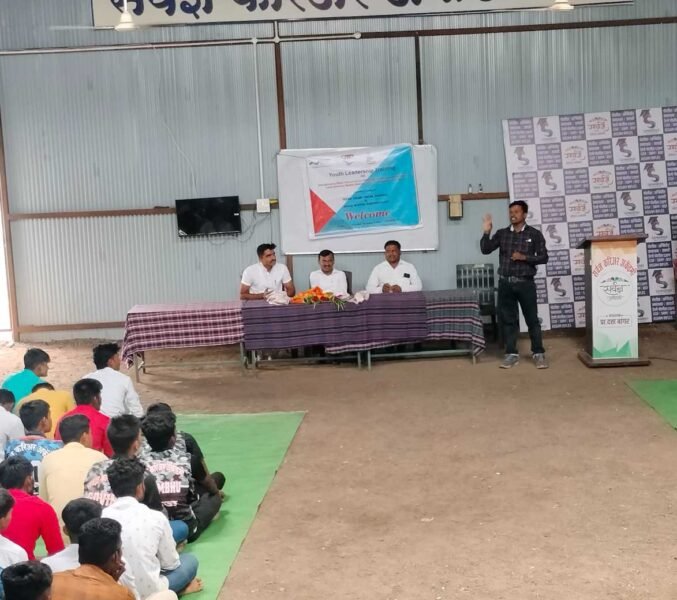
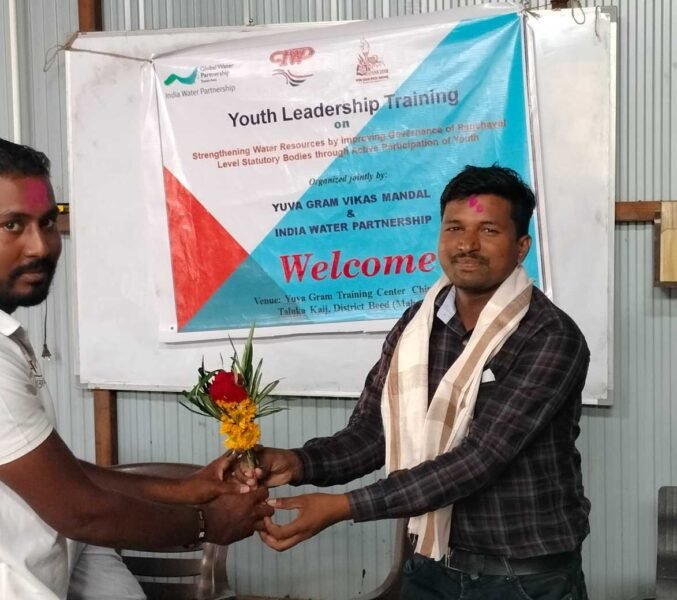
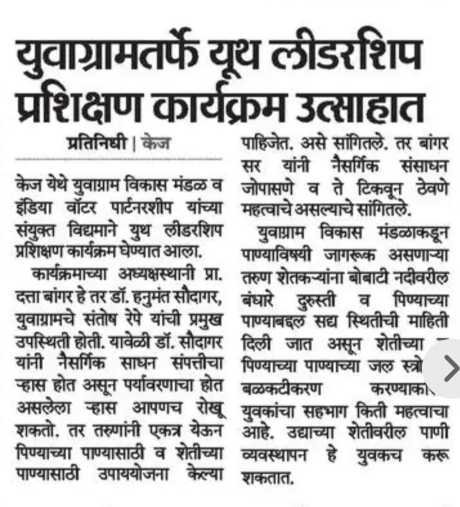
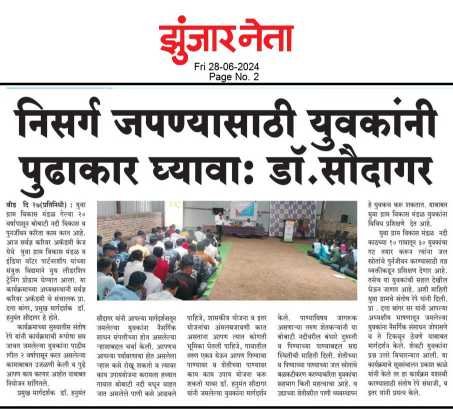
Youth Leadership Training
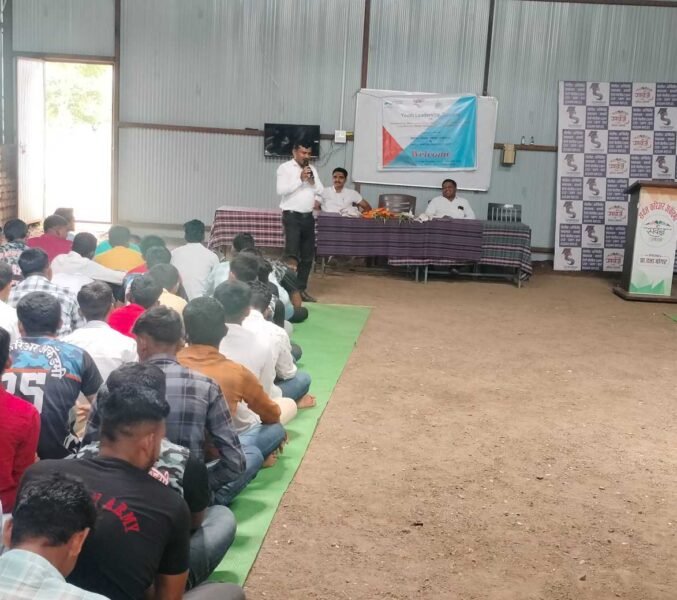
• Three training sessions were organized for 40 youth leaders from 10 villages (5 leaders per village).
• A total of 300 youth participated in these leadership development programmes.
Identification and Technical Training of “Jal Doots”
• 100 youth from 10 villages were identified as Jal Doots (Water Volunteers).
• They were provided with technical training on water source repair and maintenance.
Convergence / Coordination Workshops (2)
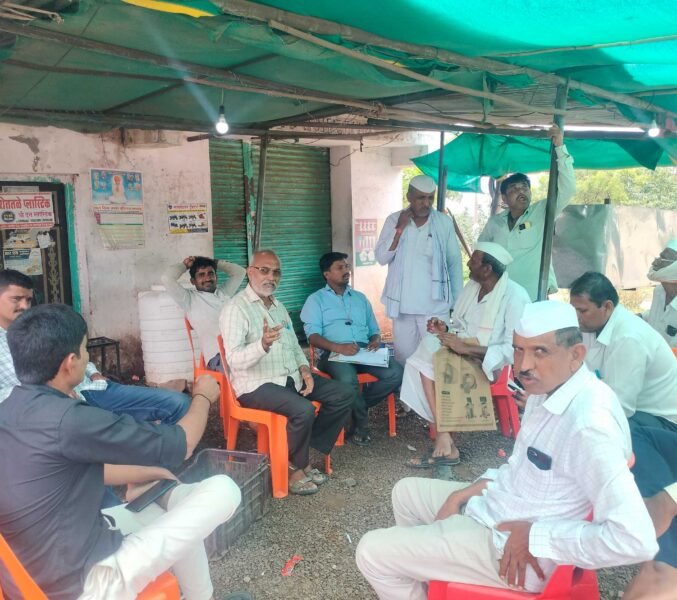
• Two workshops were organized at the Gram Panchayat level involving leaders of the Water Supply & Sanitation Committees and Watershed Committees, along with youth groups.
• Government departments actively participated, with 130 Panchayat-level officers and staff attending these workshops.
Block-Level Stakeholder Meetings (2)
• Training and dialogue sessions were conducted with students, teachers/academicians, media representatives, NGOs, watershed experts, environmental experts, government officials, committee leaders, and youth groups.
• These meetings recorded a total participation of 101 stakeholders.

Exposure Visit
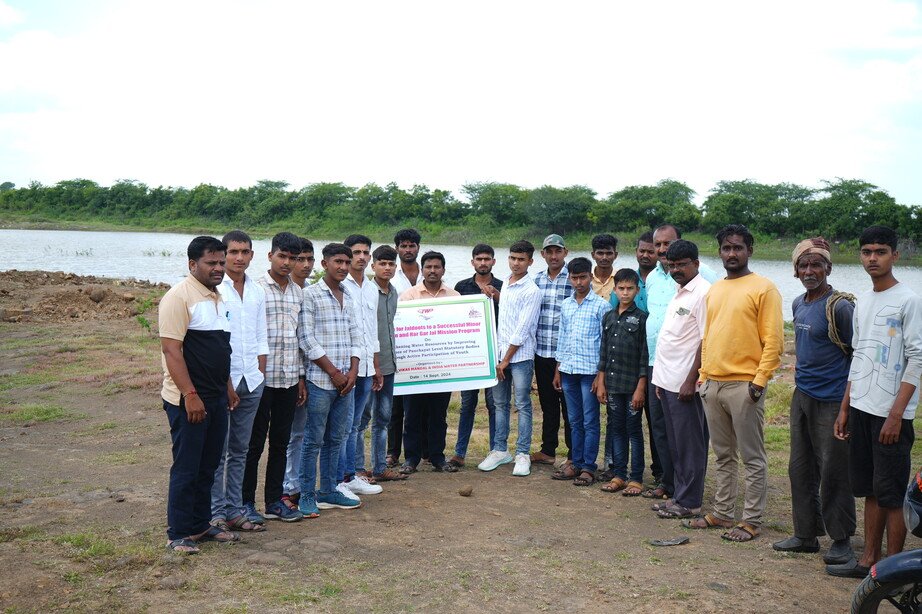
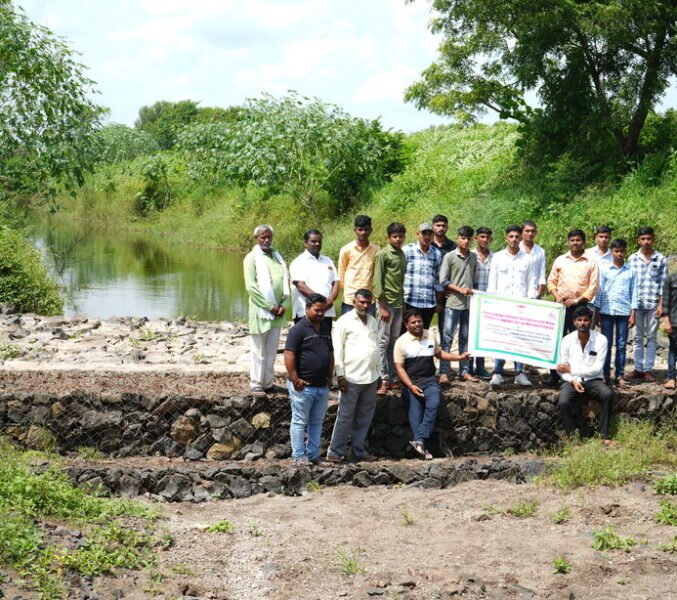
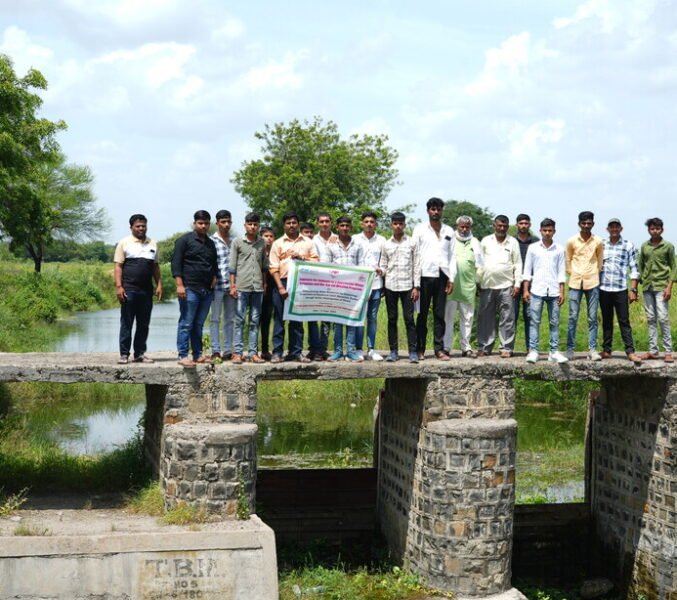
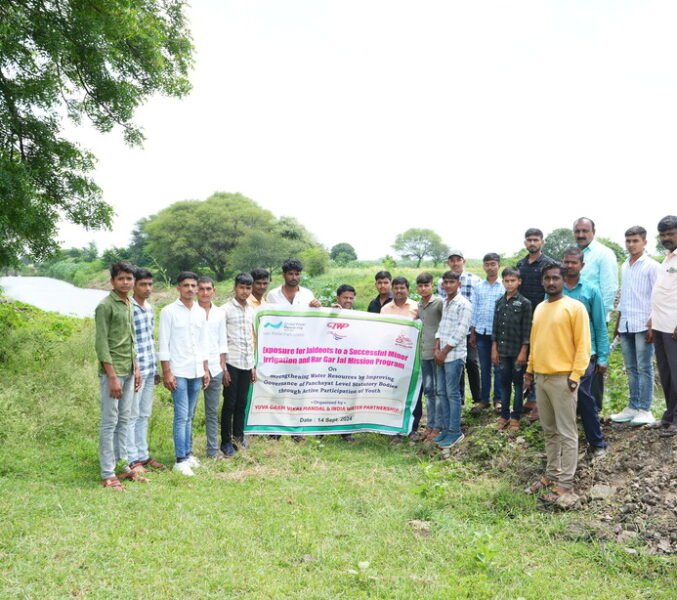
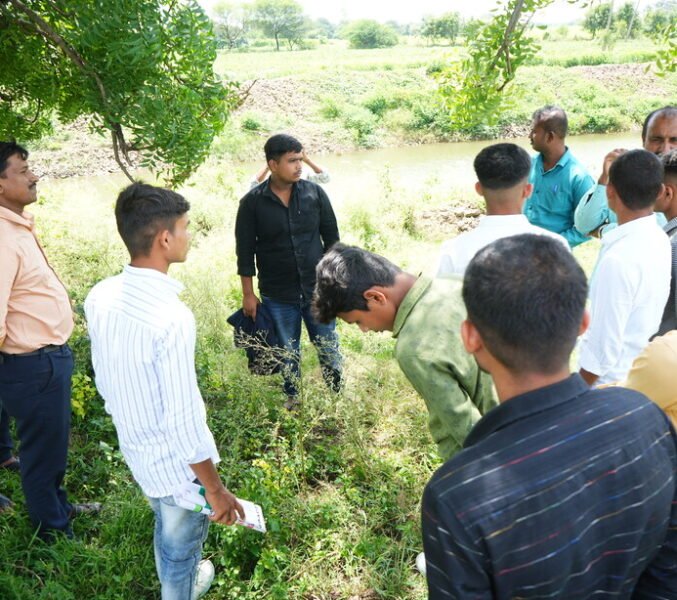
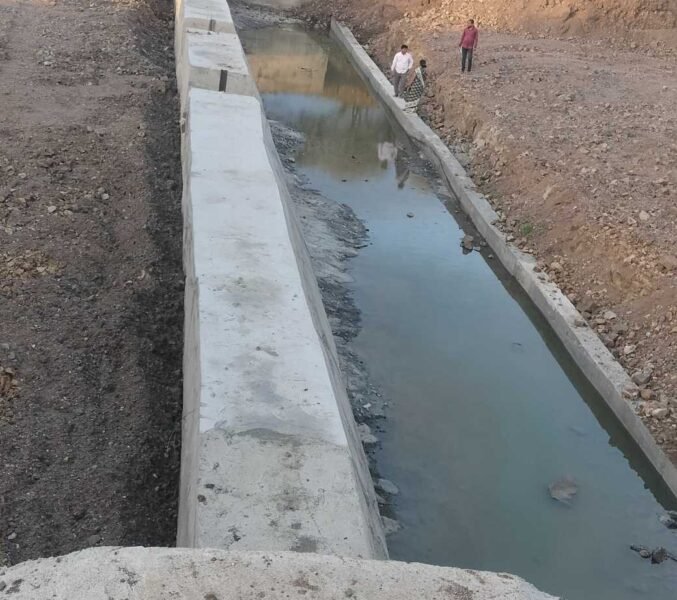
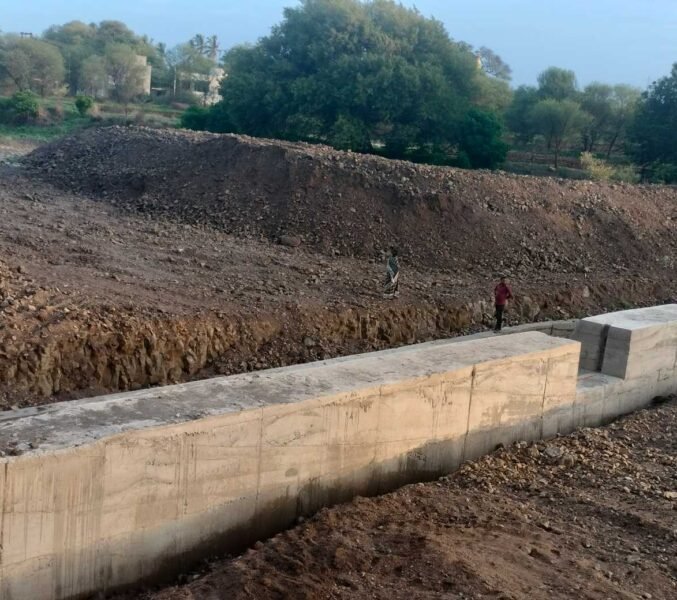
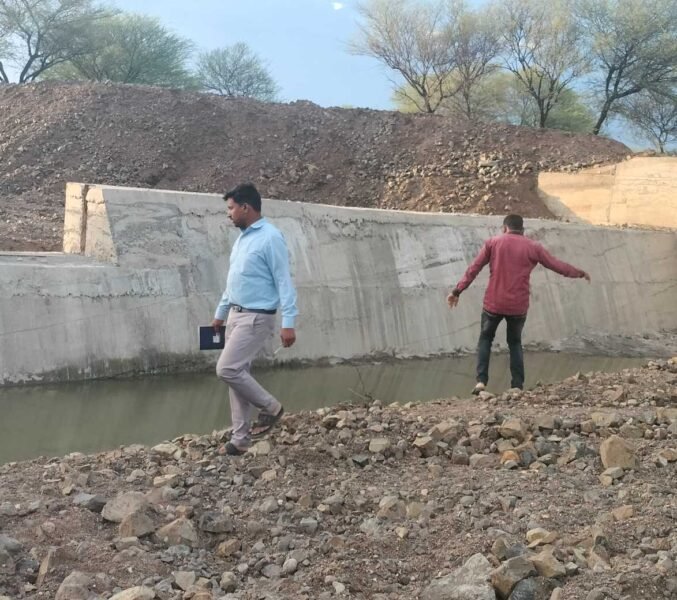
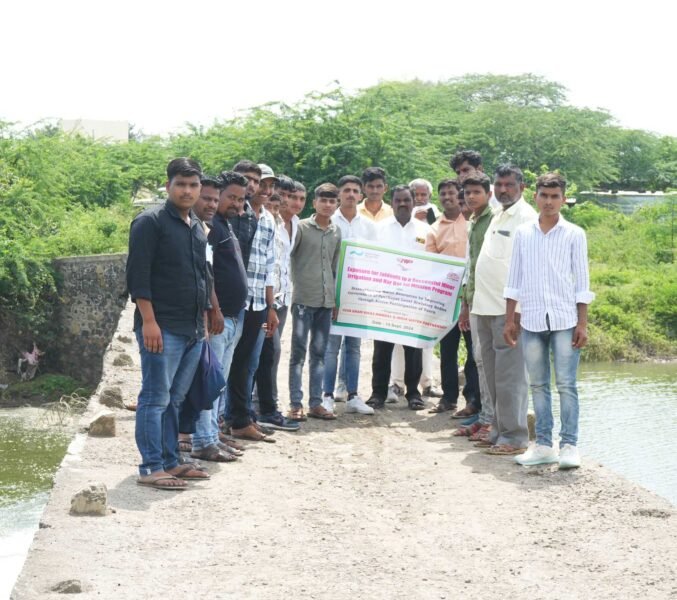
An exposure visit was organized to Darphal and Dautpur, which provided youth from the Bobati River region with firsthand experience of successful water conservation projects.
Through observation, discussions, and planning exercises, youth gained insights into effective watershed management models and explored how similar initiatives could be implemented along the Bobati River.
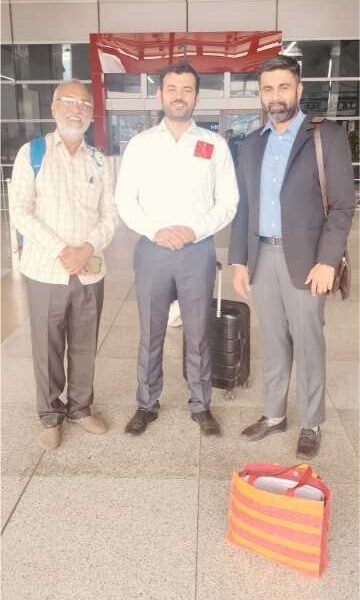
The exposure visit was successfully organized through the collaboration of India Water Partnership and Yuva Gram Vikas Mandal, and was made effective through the thoughtful planning and coordination of Mr. Santosh Repe.
This visit helped build new knowledge, confidence, and motivation among youth regarding water resource management.
Impact and Way Forward
The exposure visit and training programmes have laid a strong foundation for future community-led water conservation initiatives.
They highlighted the critical role of youth participation in environmental protection and sustainable water management.
This experience is expected to inspire youth-led actions for long-term, sustainable water resource management in the Bobati River basin, strengthening both community ownership and environmental resilience.